



Wealth management in the UK has a staffing problem that nobody talks about openly.
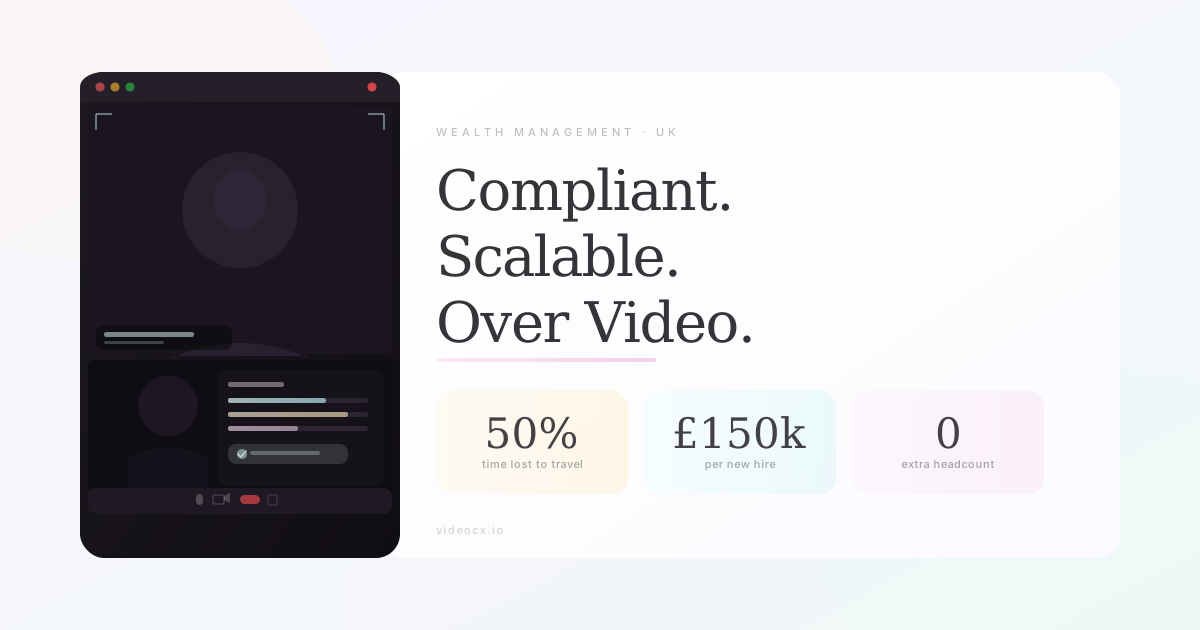
The demand for personalised investment advice is growing. More people are entering the high-net-worth bracket. More clients are relocating internationally while wanting to keep their existing advisory relationships intact. And at the same time, hiring a new relationship manager or investment adviser costs a firm anywhere between £80,000 and £150,000 a year once you factor in salary, benefits, compliance training, and onboarding time.
The maths does not work if you try to grow headcount in proportion to client demand.
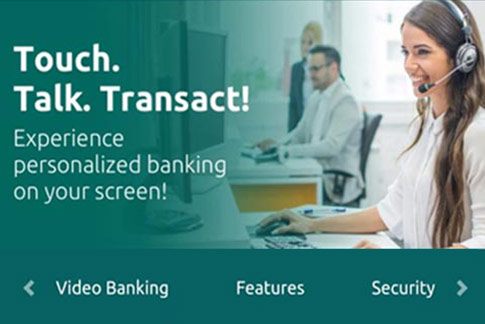
Video-based advisory is the answer most forward-thinking wealth management firms are moving toward. Not video as a convenience add-on. Video as the primary delivery channel for advice, with the right infrastructure behind it to make it compliant, personal, and scalable.
This blog explains how that works in practice.
The Core Problem With How Most Firms Are Using Video Today
Ask most wealth management firms whether they offer video advisory and they will say yes. But what they usually mean is that their advisers use Zoom or Teams when a client cannot come in.
That is not video advisory. That is a phone call with a camera.
Real video advisory infrastructure means the interaction is recorded and stored in a compliant format, the client’s identity has been verified through the same channel, documents can be shared and reviewed together in real time, the right adviser is routed to the right client automatically, and the session is fully auditable if the FCA ever asks questions.
Most firms have the camera. Almost none of them have the rest of it built properly.
Why Compliance Is the Starting Point, Not an Afterthought
UK wealth managers operate under FCA suitability requirements. Every piece of investment advice has to be suitable for the specific client, documented, and defensible. MiFID II added further obligations around recording financial communications. The FCA’s Consumer Duty rules, which came into full effect in 2023, require firms to demonstrate good outcomes for clients, not just good intentions.
All of this creates a compliance obligation that makes informal video calls genuinely risky. If an adviser gives investment guidance over an unrecorded Zoom call and something goes wrong, the firm has no evidence of what was said, what was disclosed, or what the client understood and consented to.
A properly structured video advisory platform records every session, stores it securely, captures consent at the start of each interaction, and creates a full audit trail. The compliance burden does not go away. It gets handled automatically in the background so the adviser can focus on the conversation.
This is the foundation everything else is built on.
Onboarding New Clients Without a Branch Visit
One of the biggest friction points in wealth management is onboarding. A new HNW client needs identity verification, risk profiling, source of funds documentation, and regulatory disclosure acknowledgements before any advice can be given.
In the traditional model, this requires at least one face-to-face meeting. For a client who is based in Edinburgh while the firm is headquartered in London, or for an overseas client who has been referred in, that meeting is either expensive, slow, or both.
Video KYC solves this without cutting corners on rigour. A live video session allows the adviser or a dedicated onboarding specialist to verify the client’s identity in real time, collect and review documents on screen, capture consent verbally and on record, and complete the full onboarding process without either party needing to travel.
For the client, this is a better experience. For the firm, it removes a bottleneck that was previously causing multi-week delays between referral and the first advisory session.
Delivering Suitability-Grade Advice Over Video
The word “compliant” in investment advisory has a very specific meaning. It is not enough to give good advice. The firm has to demonstrate that the advice was appropriate for this particular client, at this particular time, given their documented risk tolerance, investment objectives, and personal circumstances.
Over video, this requires the adviser to do several things simultaneously. They need to have the client’s profile on screen. They need to be reviewing the same documents the client is looking at. They need to walk through scenarios, illustrations, and product information in a way the client can follow. And the entire session needs to be recorded in a format that captures not just the audio but the visual context of what was shared.
Co-browsing on a video call is what makes this possible in practice. When an adviser can share their screen and guide a client through a portfolio review, a fund comparison, or a risk illustration in real time, the interaction becomes genuinely advisory rather than just conversational. The client can see exactly what the adviser is referring to. The adviser can annotate, highlight, and navigate documents together with the client. The session record captures all of it.
This is the difference between a firm that uses video for convenience and a firm that uses video to deliver advice at the same standard as an in-person meeting.
Routing the Right Adviser to the Right Client
One thing that scales poorly in traditional wealth management is specialist access. A client with a question about tax-efficient structuring needs a different conversation than a client reviewing their equity exposure. An ultra-HNW client with cross-border assets needs a different level of seniority than someone just starting to build a portfolio.
In a branch model, this routing happens through assistants, appointment scheduling, and often long waits. A client who needs a quick answer from a tax specialist may wait a week for an available slot.
Intelligent customer journey and routing within a video platform means the right specialist is connected to the right client without that delay. Based on the client’s profile, their stated need, and the availability of advisers, the system routes the video session to the most appropriate person. The client does not have to explain their situation three times to three different people. They land in the right conversation.
For the firm, this means specialist capacity is used more efficiently. A senior adviser who handles complex cross-border cases is not fielding calls about basic account queries. Their time goes to the clients and conversations that actually need them.
Credit and Lending Conversations for Wealth Clients
Wealthy clients are not just investors. Many of them use their wealth as leverage. They take credit facilities against their portfolios. They need structured lending for property acquisitions, business investments, or estate planning purposes.
Credit conversations are sensitive. They require detailed financial disclosure, document review, and a level of trust that is hard to build in a purely digital exchange.
Video-based credit verification allows these conversations to happen with the seriousness they require. An adviser and a credit specialist can join the same video session, review the client’s financial documentation together on screen, and conduct the kind of structured conversation that would previously have required a branch visit or a home visit from a relationship manager.
The session is recorded. The document review is captured. The client’s identity and consent are verified. The process is both more convenient for the client and more defensible for the firm.
The Scale Argument: Why Video Expands Capacity Without Expanding Headcount
Here is the number that matters for any wealth management firm thinking about this strategically.
An adviser who spends three hours travelling to and from a client meeting for a one-hour conversation has effectively used four hours to deliver one hour of value. Over a week, that travel overhead can eat forty to fifty percent of an adviser’s available advisory time.
Remove the travel. Replace it with a forty-five-minute video session that is just as substantive, just as compliant, and just as personal. That adviser can now serve significantly more clients in the same number of working hours without any degradation in advice quality.
This is not about replacing advisers with technology. It is about giving advisers the infrastructure to work at full capacity rather than spending half their day in transit.
A video branch and video banking model for wealth management creates this capacity without asking the firm to hire a single additional person. The advisers you already have serve more clients, in more geographies, with less friction.
What Clients Actually Think About Video Advisory
There is a common assumption in wealth management that HNW and UHNW clients will resist digital channels because they expect white-glove, in-person service. The data increasingly suggests this assumption is wrong.
Clients with portfolios of £500,000 or more are, on average, in their late forties and early fifties. They are comfortable with video. They use it for business meetings, family calls, and professional consultations daily. What they object to is not video itself. They object to poor video experiences where the technology feels clunky, the adviser seems distracted, or the interaction lacks the substance of a real advisory conversation.
When the video experience is well-designed, when the adviser is prepared, when documents can be reviewed together, and when the session feels purposeful rather than perfunctory, clients consistently rate it as highly as or higher than in-person meetings. Because it respects their time.
Building This Without Starting From Scratch
Wealth management firms looking at this space do not need to build a bespoke video infrastructure. The components already exist. What matters is choosing a platform that was built specifically for regulated financial services rather than adapted from a generic video conferencing tool.
The difference shows up in the details. A platform built for financial services has identity verification embedded into the session flow, not bolted on afterward. It has compliant recording and storage built in, not an afterthought. It has routing logic that understands the difference between an account query and a suitability conversation. And it integrates with the firm’s existing CRM and compliance systems rather than creating a parallel data silo.
For UK wealth managers operating under FCA oversight, these are not nice-to-haves. They are the difference between a video channel that creates regulatory risk and one that actively reduces it.
The Firms That Will Win This Decade
The UK wealth management market is consolidating. Larger firms are acquiring smaller ones. Fee pressure is increasing. And client expectations, shaped by digital experiences in every other part of their lives, are rising.
The firms that will grow without burning through their hiring budget are the ones that figure out how to serve more clients per adviser, at a higher standard, across a wider geography, without asking every interaction to happen in a meeting room.
Video advisory, built on the right infrastructure, is how that happens.
The technology is ready. The regulatory framework supports it. The clients are willing. The question is whether your firm is set up to deliver it.