





Picture this. A 67-year-old homeowner in Leeds has spent three weeks summoning the courage to look into equity release. She has done her research. She has spoken to her daughter. She has made a cup of tea and opened the bank’s website.
Then the application process starts.
A long form. A request to upload documents she has never heard of. A chat bot that cannot answer her question. A hold queue when she calls the branch. And then, quietly, she closes the tab and does not come back.
This is not a rare story. It is playing out thousands of times every month across the UK. And it is costing lenders, advisers, and borrowers dearly.
Why Later Life Lending Is Unlike Any Other Mortgage Product
Equity release and Retirement Interest-Only (RIO) mortgages are not standard home loans. The borrower is usually aged 55 or above. The product is complex. The stakes feel enormous to the customer because in many cases, this is a decision that will shape the rest of their financial life.
Around one in five UK homeowners aged 55 and over are open to the idea of a lifetime or retirement interest-only mortgage in the future. With over-55s owning just over two thirds of the UK’s total housing wealth, this points to a large untapped market.
Yet the numbers completing these journeys tell a very different story. Mortgage approvals for customers aged 56 and above dropped from 175,260 in 2005 to just 84,576 last year, a 52% fall, even as the over-56 population grew by 31% over the same period. In 2005 there was one mortgage approved for every 91 people aged 56 and over; today that ratio has fallen to one in every 246.
Some of that gap is down to product awareness and pricing. But a significant slice is abandonment. People who started a journey and did not finish it.
The question is why. And more importantly, what can banks do about it.
The Real Reasons People Abandon Later-Life Lending Applications
Understanding abandonment in this segment requires understanding the borrower’s emotional state, not just the process gaps.
Anxiety about making an irreversible decision. Equity release and RIO mortgages are long-term commitments tied to the family home. Purchasing what might be a lifetime liability represents a serious commitment for older people, especially as it could ultimately be their last attempt to secure their financial future. That weight shows up as hesitation, delays, and drop-offs at every stage.
Fear of digital environments. Preliminary research findings show that fear of financial scams, lack of digital skills, and lack of help are some of the main factors that stop people from using digital financial services efficiently. For someone who learned to bank at a branch window, an online application portal is a foreign country.
Loss of the human connection. Older adults tend to exhibit cultural and behavioural resistance to new technology because they favour the familiarity and perceived dependability of traditional banking systems over the seemingly impersonal nature of digital options. Baby boomers show a marked preference for in-person interactions at banks.
Complexity without support. It is a common theme among the older generation that they lack awareness and understanding of the financial options available to them. They still need clear, accessible guidance. When that guidance is not available at the moment they need it, they leave.
Vulnerability concerns. The FCA’s Consumer Duty, introduced in July 2023, places a direct obligation on firms to demonstrate good outcomes for customers, especially those in vulnerable circumstances. The FCA defines a vulnerable customer as someone who, due to their personal circumstances, is especially susceptible to harm, particularly when a firm is not acting with appropriate levels of care. Older borrowers are often in this category, and the tools a bank uses to serve them must reflect that.
Put all of this together and the picture becomes clear. Later-life lending customers do not abandon because the product is wrong. They abandon because the process does not feel safe, human, or understandable at the moment they need reassurance most.
Where Video Changes Everything
Video is not a technology novelty in banking. But in later-life lending specifically, it solves a very precise problem: how do you deliver the warmth and clarity of a face-to-face conversation without asking a 68-year-old in rural Somerset to drive to the nearest branch?
Here is where video makes a measurable difference across the journey.
At the Initial Enquiry Stage
The first conversation about equity release or an RIO mortgage is almost always the hardest one. Customers arrive with half-formed questions, lingering doubts, and a lot of fear about being sold something they do not fully understand.
A video banking platform allows a later-life lending specialist to meet that customer face-to-face from wherever they are. The adviser can read body language. The customer can see a real person. Trust is established in minutes rather than after weeks of back-and-forth emails and queued callbacks.
This matters because the decision to continue an equity release application is often made in that first conversation. If it feels good, the customer moves forward. If it feels cold, automated, or overwhelming, they stop.
During Document Collection and Verification
One of the most common abandonment points in later-life lending is document submission. Customers are asked to upload proof of identity, property ownership, and income evidence. For older customers who are not comfortable with file uploads and digital cameras, this is where the journey ends.
Video-based credit and document verification lets a specialist guide the customer through the process in real time. The adviser can see what the customer is looking at, walk them through each step, and confirm documents are correct before submission. What would otherwise take a week of emails and rejection notices happens in a single supported session.
This approach also significantly reduces the error rate in submitted applications, which means fewer delays, fewer re-submissions, and fewer frustrated customers walking away.
For Identity Verification
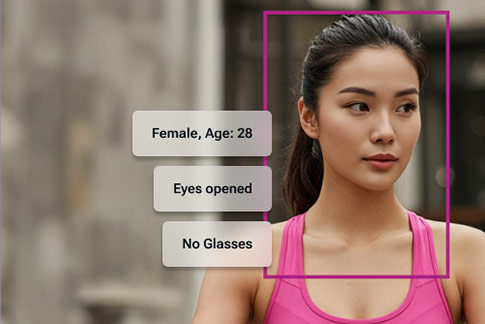
Later-life lending requires robust identity checks under UK anti-money laundering rules. For older customers, the standard digital identity verification flow, upload a selfie, scan a document, wait for automated approval, can feel deeply uncomfortable and impersonal.
Video identity verification allows a trained specialist to conduct the check live, confirming the customer’s identity through a real conversation rather than an algorithm. This creates a record of a genuine, informed interaction and significantly reduces the risk of errors or fraud that automated systems can miss.
It also gives the customer something more valuable: the feeling that a real person has seen them, spoken to them, and confirmed they are who they say they are. In a product category built entirely on trust, that matters enormously.
During the Advice and Suitability Assessment
The FCA requires that equity release advice is delivered properly and documented carefully. Following the introduction of Consumer Duty in July 2023, advisers must now evidence why their advice results in a good outcome for their customer. That means the suitability assessment is not a box-ticking exercise. It requires a real conversation.
Video is the ideal medium for this. Recorded video sessions create a clear evidence trail. Advisers can refer back to the session to confirm what was said and when. Customers can rewatch explanations if they feel uncertain later. And compliance teams have a timestamped record of every key disclosure and question.
This is especially important in cases where a family member is also involved in the decision. A video session can include a spouse, an adult child, or a trusted friend, making it inclusive without requiring everyone to be in the same location.
The Consumer Duty Dimension Banks Cannot Ignore
The FCA’s Consumer Duty is not an optional upgrade. It requires firms to prove that customers are receiving fair value, appropriate communication, and genuine understanding of what they are buying. In a product as complex as equity release, that is a high bar to clear with email threads and PDF documents.
Video creates verifiable evidence of informed consent and genuine engagement. A customer who has spoken to a specialist on video, been walked through the key risks and benefits, and had their questions answered on camera, is far more likely to be considered appropriately served under Consumer Duty than a customer who received a brochure and signed a form.
For compliance officers and risk teams, this is not a soft benefit. It is a defensible audit trail that covers the firm in the event of a future complaint or regulatory review.
What the Data Tells Us About the Market Right Now
The later-life lending market is at an interesting inflection point. Q2 2025 saw 10% year-on-year growth in borrowing, with the total amount released reaching £636 million. Growth continues to be driven by new borrowers accessing greater amounts of housing equity to manage debt, boost income, and support their wider families.
At the same time, the proportion of customers using equity release primarily to repay a mortgage jumped from 36% to 63% between Q2 2024 and Q1 2025, making mortgage repayment the single dominant motivation. The average initial release increased by 13.3% year-on-year to £62,930.
These are customers who have a genuine and pressing financial need. They are not exploring equity release out of curiosity. They are trying to solve a real problem, and they need a lender who can meet them with clarity, warmth, and a process that does not make them feel like they are navigating a government form in a foreign language.
Banks that reduce friction for this audience will capture meaningful market share. Banks that do not will watch their enquiry-to-completion rates stay stubbornly low.
What Good Looks Like in Practice
A well-designed video-first later-life lending journey might look like this.
A customer enquires online and instead of being sent a brochure, they are offered a same-day video call with a specialist. The call is recorded with consent. The adviser establishes rapport, identifies the customer’s needs, and confirms they are not in a vulnerable situation driven by third-party pressure.
The adviser walks the customer through which product is most appropriate and why. The customer asks questions they were too embarrassed to put in an email. The adviser answers clearly, checks for understanding, and summarises the key points.
In the same session or a follow-up video call, identity verification and document review happen in real time. The customer does not need to navigate a portal. The adviser can see the documents and confirm they meet requirements.
The suitability assessment is conducted, recorded, and stored. The customer leaves the process feeling informed, respected, and confident. The completion rate goes up. The compliance file is clean. And the customer tells their friends.
This is not science fiction. It is what banks using purpose-built video banking platforms are already delivering.
The Bottom Line
Later-life lending is growing. The need is real. The customers are there. But the gap between enquiry and completion remains far too wide, and most of that gap is not a product problem. It is a process and trust problem.
Video banking addresses both. It brings the human connection back into a digital journey. It gives older borrowers the support they need at the moments they feel most uncertain. It creates the evidence trail that compliance and Consumer Duty require. And it turns a stressful, confusing process into something that feels manageable and respectful.
UK banks and lenders that adopt video as a core part of their later-life lending journey will not just reduce abandonment. They will build the kind of trust that turns first-time borrowers into long-term customers who recommend them to everyone they know.
That is a competitive advantage worth having.
Frequently Asked Questions
What is abandonment in later-life lending and why does it happen? Abandonment happens when a customer starts an equity release or RIO mortgage enquiry but does not complete it. The main causes are anxiety about the product, difficulty navigating digital processes, lack of human support at key decision points, and concerns about understanding what they are agreeing to.
How does video banking reduce abandonment rates in equity release journeys? Video banking gives customers a real human to speak with at the exact moment they feel uncertain. It replicates the trust and clarity of a branch visit without requiring travel, and allows advisers to guide customers through complex steps like document submission and identity verification in real time.
Is video-based identity verification compliant with UK regulations for mortgage products? Yes. Video-based verification meets FCA and UK anti-money laundering requirements when conducted through a regulated, secure platform. It also creates a verifiable evidence trail, which supports Consumer Duty compliance.
Can video banking sessions be used as evidence for FCA Consumer Duty compliance? Yes. Recorded video sessions with timestamps, transcripts, and participant logs serve as strong evidence that a customer received appropriate advice, had the opportunity to ask questions, and demonstrated understanding before proceeding.
Do older customers actually use video calls for banking? Yes, adoption among over-55s grew significantly during and after the COVID-19 period. When video is offered as an alternative to a branch visit rather than a replacement for all human contact, older customers engage well, particularly when the adviser guides them through the process rather than expecting them to self-serve.
What types of later-life lending journeys benefit most from video integration? Equity release, Retirement Interest-Only mortgages, later-life remortgages, and any product where the suitability assessment requires a personal conversation and documented evidence of informed consent are the strongest candidates.
How does a bank or lender get started with video banking for later-life lending? The starting point is integrating a purpose-built video banking platform that supports secure sessions, identity verification, document sharing, and session recording. It should be designed for use by customers who are not tech-savvy, with minimal setup required on the customer’s end.